A lot of adults put off straightening their teeth for one simple reason – they do not want the look or feel of metal braces. If you have been wondering what is Invisalign treatment, the short answer is this: it is an orthodontic system that uses a series of clear, custom-made aligners to gradually move teeth into better positions.
For many patients, Invisalign feels more manageable than traditional braces because the aligners are removable, discreet, and designed around daily life. That said, it is still real orthodontic treatment. It requires planning, consistency, and regular dental follow-up to work as intended.
What Is Invisalign Treatment and How Does It Work?
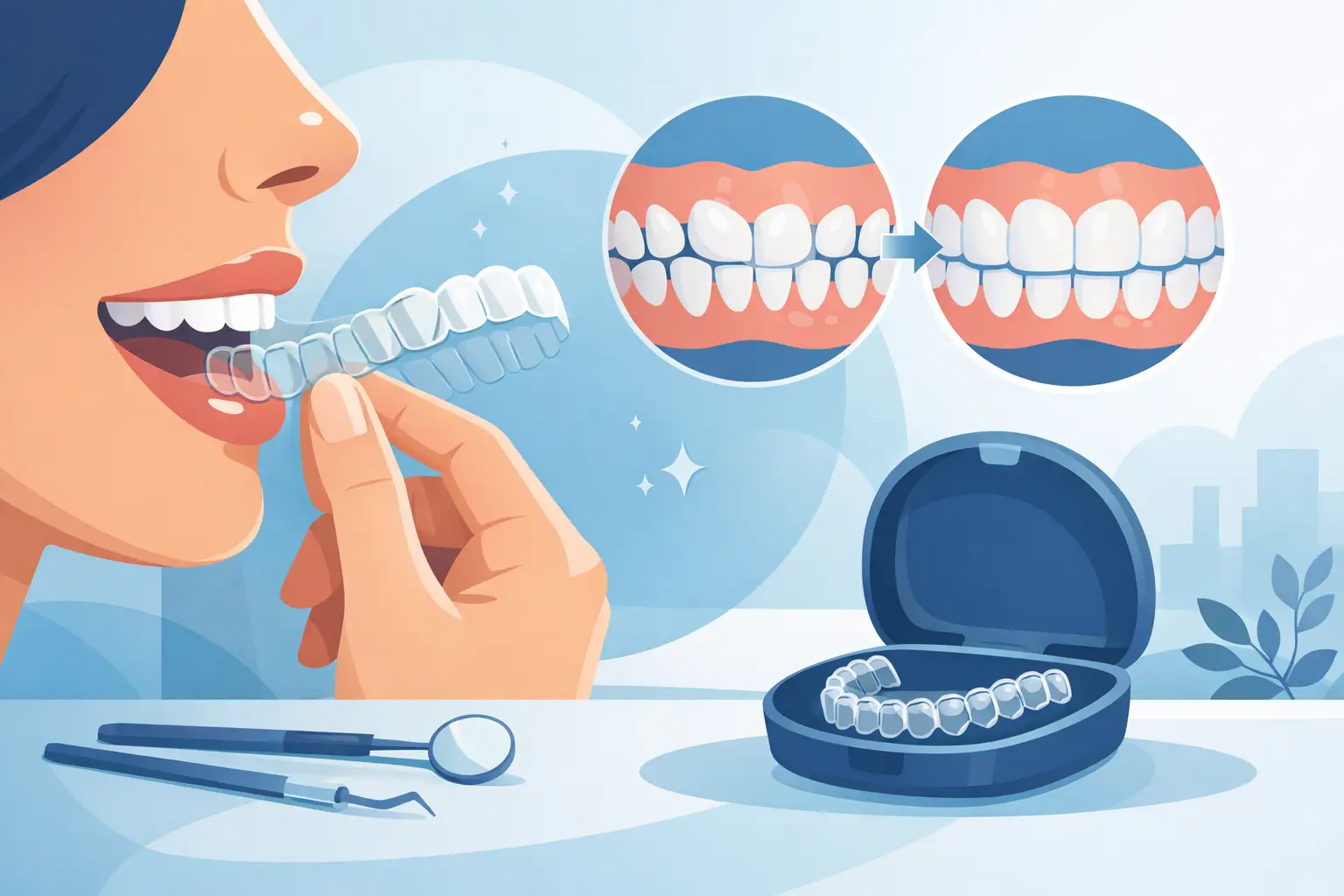
Invisalign treatment uses transparent plastic aligners that are made specifically for your teeth. Each set is worn for a set period, often about one to two weeks, before moving on to the next set in the series. The slight difference between each aligner helps guide your teeth little by little.
The process usually starts with a consultation, digital scans, and a treatment plan. Your dentist or orthodontic provider studies how your teeth bite together, where crowding or spacing exists, and whether your case is suitable for clear aligners. From there, a sequence of aligners is created to match the planned movements.
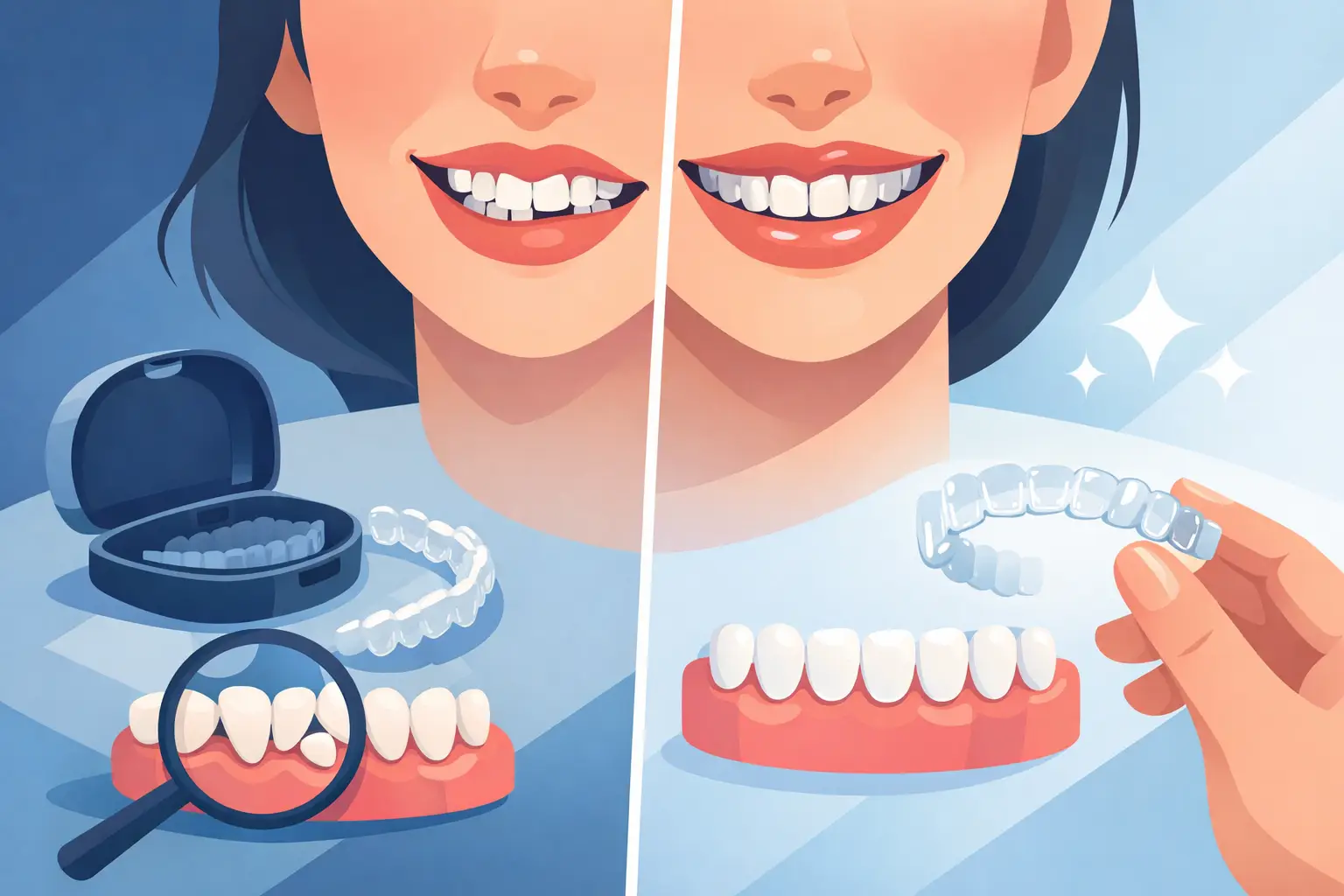
Many patients are surprised to learn that Invisalign is not just for cosmetic straightening. It can often help with crowding, gaps, mild to moderate bite concerns, and teeth that have shifted over time. Still, not every case is the same. Some patients are excellent candidates, while others may need a different approach.
What Invisalign Can Correct
Invisalign can be effective for a range of orthodontic concerns. If your teeth overlap, twist, or leave visible spaces, clear aligners may be able to improve alignment and function at the same time. In some cases, treatment can also help with mild overbite, underbite, or crossbite issues.
The key phrase is may be able to. Clear aligners are highly capable, but they are not a one-size-fits-all solution. More complex tooth movements or significant jaw-related bite problems may require braces or a different kind of orthodontic plan. A proper exam matters because treatment success depends on the details of your case, not just on whether the trays look convenient.
Who Is a Good Candidate?
Adults and teens are often good candidates for Invisalign when they want a lower-profile way to straighten their teeth. It can be especially appealing for working professionals, students, and parents who prefer something less noticeable in social or professional settings.
Good candidates also need to be realistic about commitment. Because the aligners are removable, they only work well if you wear them as directed, usually 20 to 22 hours per day. If they spend too much time out of your mouth, treatment can slow down or become less predictable.
This is one of the main trade-offs compared with braces. Invisalign offers more flexibility, but it also puts more responsibility on the patient. For some people, that flexibility is a major advantage. For others, fixed braces may actually be easier because there is less temptation to remove them.
What the Treatment Process Looks Like
Most Invisalign treatment follows a clear sequence. First comes the consultation, where your dentist checks your oral health and orthodontic needs. If you have untreated cavities, gum inflammation, or other dental issues, those may need attention before aligner treatment begins.
Next, digital impressions or 3D scans are taken. These replace the messy molds many people remember from older dental visits. The scans help create a custom treatment plan that maps out how your teeth are expected to move over time.
Once your aligners are ready, you will receive several sets along with instructions on wear and care. Some patients also need small tooth-colored attachments bonded to certain teeth. These attachments help the aligners grip more effectively and make specific movements possible.
You will return for periodic check-ins so your provider can monitor progress. These visits are usually straightforward, but they are important. They help catch issues early, confirm that your teeth are tracking properly, and make adjustments if needed.
What Does Invisalign Feel Like?
Many patients expect Invisalign to be painless, but a more accurate word is comfortable enough for most people. When you switch to a new set of aligners, it is common to feel pressure or mild soreness for a day or two. That sensation is a sign that the aligners are working.
Compared with metal brackets and wires, Invisalign often causes less irritation to the cheeks and lips. There are no sharp edges or tightening appointments in the traditional sense. Even so, the first few days can take some getting used to, especially when speaking or removing the trays.
Most people adapt quickly. After a short adjustment period, wearing aligners tends to become part of the routine, much like putting in contact lenses or wearing a retainer.
Eating, Drinking, and Daily Care
One reason patients like Invisalign is that there are no food restrictions in the same way there are with braces. You remove the aligners before meals, eat normally, then brush before putting them back in. That can make treatment feel easier for families and adults with busy schedules.
However, removable does not mean low maintenance. You need to keep the aligners clean, avoid losing them, and be careful about snacking all day if you are frequently taking them in and out. Drinking water while wearing them is usually fine, but coffee, juice, or soda can stain the trays or trap sugar against the teeth.
Oral hygiene also matters more than many people expect. Since the aligners fit closely over the teeth, brushing and flossing consistently helps reduce the risk of plaque buildup, gum irritation, and cavities during treatment.
How Long Does Invisalign Take?
Treatment time depends on how much tooth movement is needed and how consistently the aligners are worn. Some mild cases may take only a few months, while others may take a year or longer. Many patients fall somewhere in the middle.
It helps to think of Invisalign timelines as personalized rather than fixed. Two people with similar-looking smiles can still have very different treatment plans based on bite position, tooth roots, spacing patterns, and compliance. If aligners are not worn enough each day, the schedule can easily stretch out.
After active treatment ends, retainers are usually needed to help maintain the result. This is true whether you choose Invisalign or braces. Teeth naturally tend to shift over time, so retention is a normal part of orthodontic care, not an optional extra.
Is Invisalign Better Than Braces?
This is one of the most common questions, and the honest answer is that it depends on your priorities and your dental needs. Invisalign is often preferred for appearance, comfort, and convenience. Braces may be better for certain complex movements or for patients who do not want the responsibility of removable trays.
If discretion matters most to you, Invisalign has a clear advantage. If precision in a more difficult case is the main concern, braces may still be the stronger option. Neither system is automatically better in every situation.
That is why a personalized evaluation matters. The right treatment is the one that fits your teeth, your lifestyle, and your ability to follow the plan.
Cost and Insurance Considerations
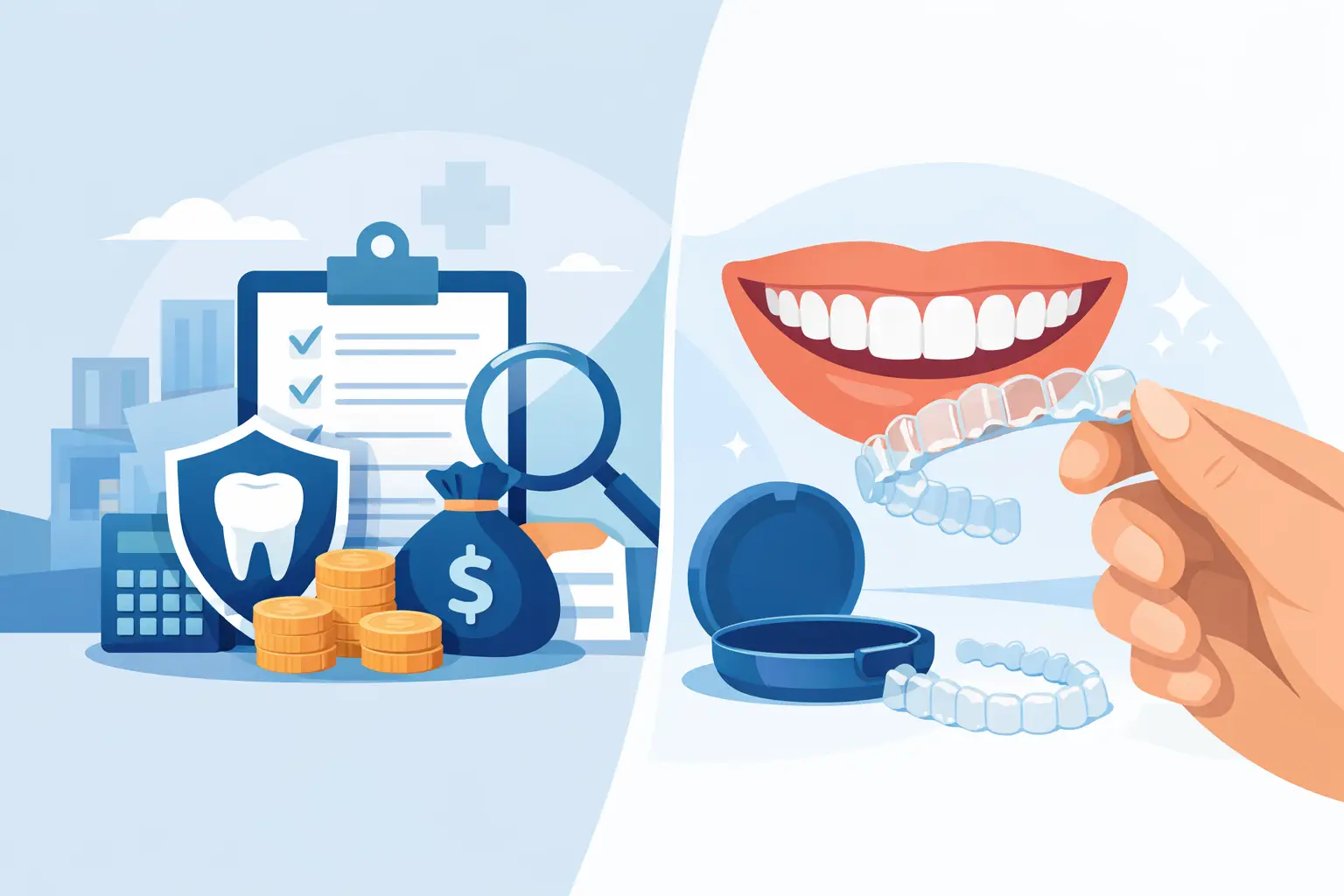
The cost of Invisalign varies based on case complexity, treatment length, and whether additional procedures are needed. In many cases, the fee is comparable to other orthodontic options, but exact pricing depends on your specific plan.
For cost-conscious patients, it is worth asking about insurance coverage, financing options, and what is included in the quoted fee. Some dental plans contribute toward orthodontic treatment, and some patients may have coverage that reduces out-of-pocket expense more than expected.
A clear estimate upfront can make the decision easier. Patients often feel more comfortable moving forward when they understand not just the treatment steps, but also the financial side.
When to Schedule a Consultation
If you are unhappy with crowding, spacing, or shifting teeth, or if you have avoided orthodontic treatment because braces felt too noticeable, a consultation is the best next step. Invisalign is designed to fit more naturally into everyday life, but the first question is always whether it is right for your smile.
At Clinique Dentaire Cartier, patients often appreciate having that conversation in a setting that also supports routine, restorative, and family dental needs under one roof. It makes treatment feel less overwhelming and more practical, especially when comfort and convenience matter.
The best time to ask about straighter teeth is usually before the problem becomes more frustrating. A simple consultation can give you a realistic picture of your options and help you decide on a plan that feels manageable, not intimidating.
Nos dentistes peuvent évaluer votre situation. Appelez la clinique la plus proche ou demandez un rendez-vous en ligne.Our dentists can assess your situation. Call the nearest clinic or request an appointment online.