
If you have been putting off a visit because you are unsure about professional dental cleaning cost, you are not alone. For many patients, the real question is not just the price of a cleaning. It is whether the visit will stay simple, whether insurance will help, and whether a routine appointment could turn into a bigger bill.
The good news is that a standard cleaning is one of the most predictable dental services. The part that changes the cost is usually not the cleaning itself, but your current gum health, how much buildup is present, whether X-rays or an exam are due, and what your insurance plan includes. Once you understand those pieces, it becomes much easier to plan your care without surprises.
What affects professional dental cleaning cost?
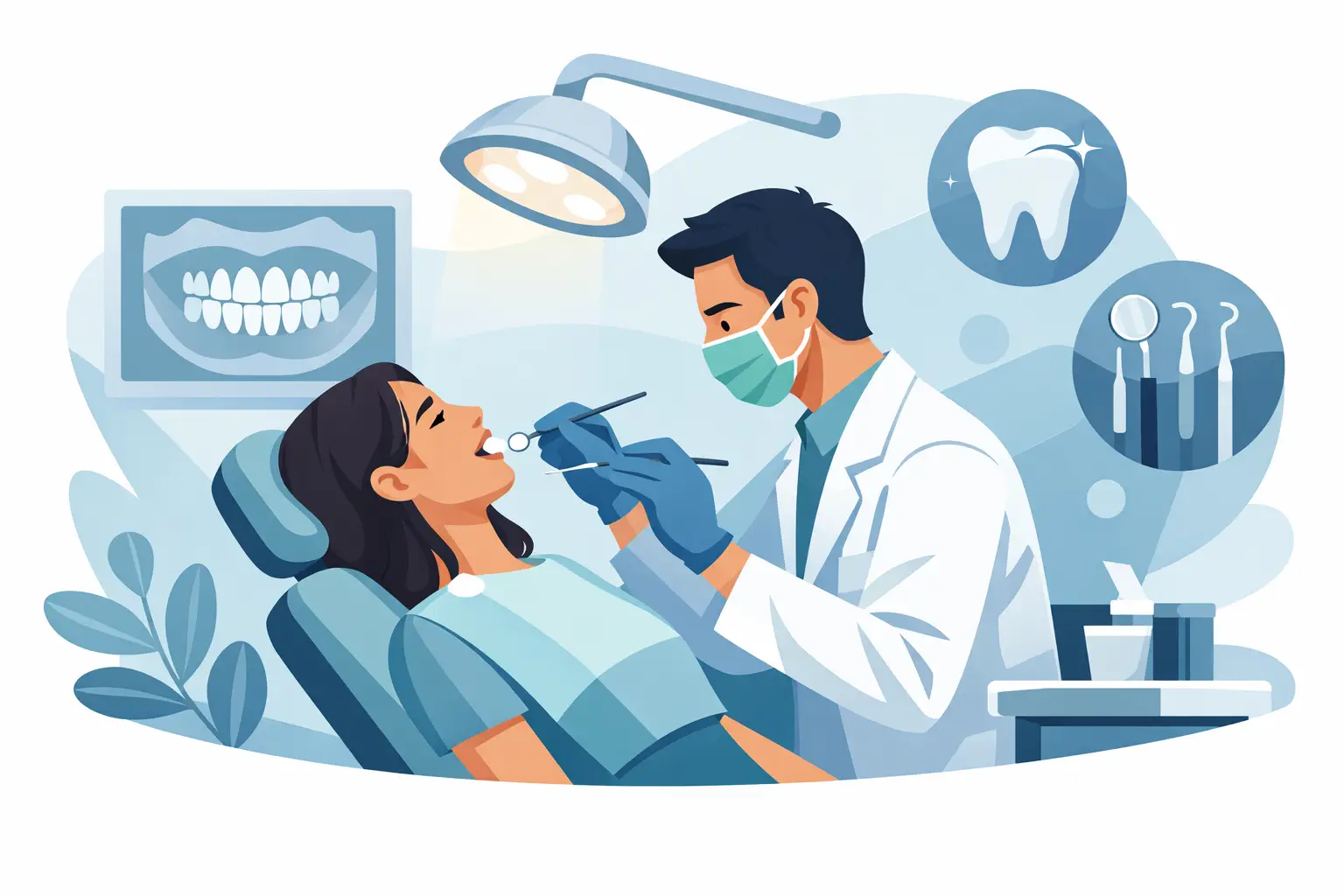
A routine preventive cleaning is usually the lowest-cost type of cleaning you can get at a dental office. This is the service most patients receive during regular checkups. It is designed to remove plaque, light tartar, and surface stains above the gumline, then polish the teeth and support healthy gums.
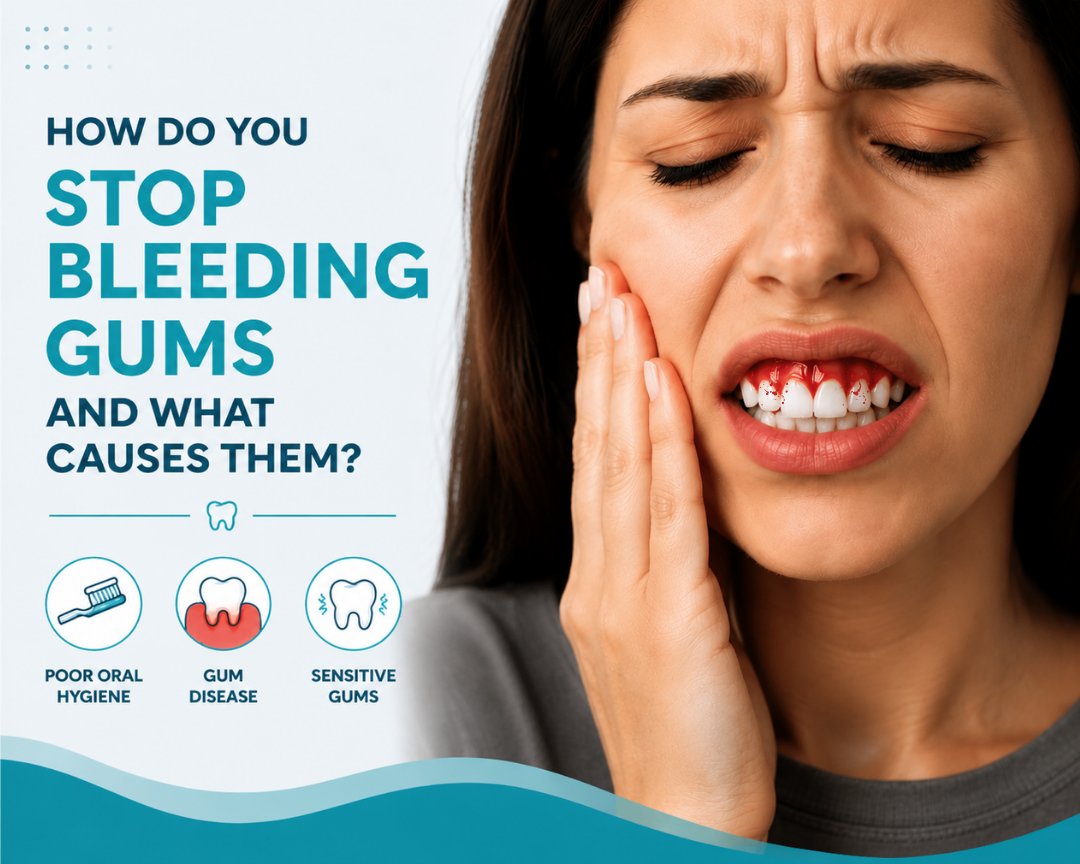
That said, not every mouth arrives in the same condition. If you have kept up with six-month visits, your appointment is often straightforward. If it has been a few years, or if your gums bleed easily, feel tender, or show signs of inflammation, the type of cleaning recommended may be different.
Several factors can influence the final cost:
- whether the visit is a routine cleaning or a deeper periodontal cleaning
- whether your exam is due at the same appointment
- whether new X-rays are needed
- how much tartar has built up
- whether insurance covers preventive care in full or in part
- your location and the office’s fee structure
For patients, that means two people can ask about the same service and still receive different estimates. The difference is not arbitrary. It usually reflects the level of care needed to treat the current condition of the teeth and gums.
Routine cleaning vs deep cleaning
This is where many cost questions begin.
A routine cleaning, sometimes called a prophylaxis, is preventive care. It is appropriate when the gums are generally healthy and there is no significant gum disease. In many insurance plans, this is the type of cleaning that receives the strongest coverage because it helps prevent bigger problems later.
A deep cleaning is different. If gum disease is present, your dentist may recommend scaling and root planing. This treatment goes below the gumline to remove hardened deposits and bacteria from the tooth roots. It is more involved, takes more time, and often costs more because it treats a disease process rather than maintaining an already healthy mouth.
Patients are sometimes surprised by this recommendation, especially if they came in expecting a basic cleaning. But if your gums are inflamed, pockets are deeper than normal, or there is significant tartar below the gumline, a routine cleaning would not be enough. It might make the teeth feel cleaner, but it would not address the real problem.
Typical price ranges you might see
In many dental offices, a routine adult cleaning may fall roughly in the range of $75 to $200 when paid out of pocket. If an exam and X-rays are added, the total visit can be higher. For a new patient or someone overdue for care, that fuller appointment may be the more realistic number to ask about.
Deep cleaning costs are often significantly higher. Depending on how it is billed, scaling and root planing may be charged by quadrant, which means the total can range from a few hundred dollars to well over $1,000 for full-mouth treatment. If local anesthetic, follow-up periodontal maintenance, or additional gum therapy is needed, that can affect the total as well.
These numbers are best treated as general ranges, not guarantees. Fees vary by region, by provider, and by the complexity of your case. A trustworthy dental office should be able to explain what is being recommended, why it is necessary, and what your expected charges are before treatment begins.
Does insurance cover professional dental cleaning cost?
Often, yes. Preventive cleanings are among the most commonly covered dental services. Many plans cover one or two routine cleanings per year, especially when they are paired with periodic exams. Some plans cover them at 100 percent, while others apply deductibles, frequency limits, or waiting periods.
The details matter. One plan may cover two cleanings every calendar year. Another may allow one cleaning every six months. Some plans are strict about timing, and coming in too early may mean reduced coverage or no coverage for that visit.
Coverage for deep cleanings is usually different. Because scaling and root planing is periodontal treatment rather than routine prevention, insurance may cover only a portion of the cost. Some plans pay a percentage, while others may require preauthorization or apply annual maximums. If your plan has already been used for fillings, crowns, or other treatment that year, less coverage may remain.
This is why estimate reviews are so helpful. A dental team that works with many insurance plans can often help you understand what is likely covered, what may be considered optional, and what your out-of-pocket amount may be before you commit.
Why delaying a cleaning can cost more later
For cost-conscious patients, delaying care can feel practical in the short term. The problem is that cleanings are one of the services most likely to prevent more expensive treatment.
Plaque hardens into tartar. Tartar irritates the gums. Inflamed gums can progress into periodontal disease. What might have been handled with a standard cleaning can become a deeper cleaning, then possibly gum therapy, restorations, or even tooth loss if problems continue long enough.
There is also the issue of hidden decay. A patient may skip a cleaning because everything feels fine, only to discover months later that a small cavity has turned into a larger restoration or root canal. Preventive visits do not guarantee that nothing will go wrong, but they often make treatment simpler, less invasive, and less expensive.
How to ask for the real cost before booking
If you want a clearer idea of professional dental cleaning cost, ask a few direct questions when you call. You do not need to know dental terminology. A good front desk team should help translate the process into plain language.
Ask whether the quoted fee is for a routine cleaning only or for a full preventive appointment that includes an exam and X-rays. If you have insurance, ask whether they can help verify your benefits. If it has been a long time since your last visit, be honest about that. It may affect the type of cleaning needed, and it is better to know that possibility in advance than to feel caught off guard at the appointment.
You can also ask what happens if the dentist finds signs of gum disease. Some offices will complete the exam first and explain your options before moving ahead with additional treatment. That conversation matters because it gives you time to understand the recommendation, ask questions, and make a decision with confidence.
Choosing value, not just the lowest number
The lowest advertised fee is not always the best value. A cleaning should be part of a complete approach to oral health, not a rushed standalone service. If your appointment leaves little time for a proper exam, gum assessment, or discussion of symptoms, the lower price may not serve you well.
Value means clear communication, a careful assessment, and treatment that matches your needs. It also means being seen by a team that considers comfort, especially if you feel nervous about dental visits. Patients who avoid the dentist because of anxiety often delay care until simple problems become more costly ones.
That is why many families look for a clinic that combines preventive care, restorative treatment, and insurance support in one place. At Clinique Dentaire Cartier, that patient-first approach helps make routine care feel manageable instead of stressful.
When a cleaning is worth scheduling sooner
You do not need to wait for pain to justify an appointment. If your gums bleed when brushing, your breath seems persistently bad, your teeth feel rough, or it has been more than six months since your last cleaning, it is reasonable to book a visit. Those signs do not always mean a serious problem, but they do mean your mouth deserves a closer look.
If you have not been to the dentist in years, do not let embarrassment stop you. Dental teams see this every day, and the goal is to help you move forward, not make you feel judged. The sooner you get an accurate picture of your oral health, the sooner you can make informed choices about treatment and cost.
A professional cleaning is one of the simplest ways to protect both your smile and your budget. If you are unsure what your visit may involve, asking for a personalized estimate is a smart first step – and often the one that makes the whole process feel easier.
Nos dentistes peuvent évaluer votre situation. Appelez la clinique la plus proche ou demandez un rendez-vous en ligne.Our dentists can assess your situation. Call the nearest clinic or request an appointment online.