
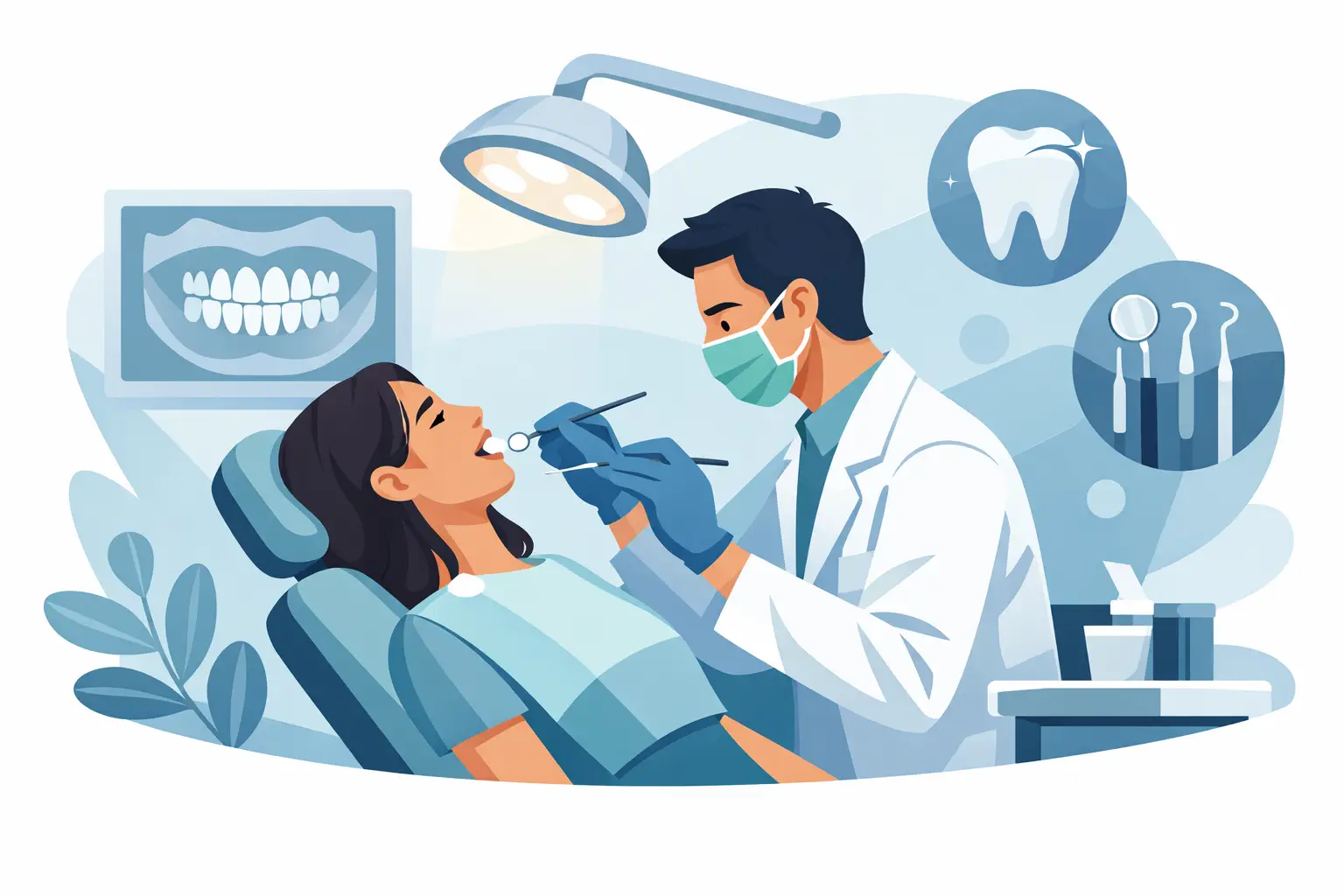
If you have ever sat in the waiting room wondering what happens during a dental exam, you are not alone. Many patients know they should book regular visits, but feel unsure about what the appointment will involve, how long it will take, or whether anything uncomfortable might happen. A dental exam is usually simpler and more reassuring than people expect, especially when the visit is centered on prevention, comfort, and clear communication.
For most patients, the exam is not just a quick look at the teeth. It is a full check of your oral health that helps catch problems early, before they turn into pain, infection, or more expensive treatment. It also gives your dental team a chance to understand your habits, answer questions, and recommend care that fits your needs, your age, and your health history.
What happens during a dental exam at your appointment
A dental exam usually begins with a review of your medical and dental history. This part matters more than many people realize. Your dentist may ask about medications, allergies, pregnancy, past dental work, jaw pain, bleeding gums, tooth sensitivity, or any recent changes in your health. Even conditions that seem unrelated to your mouth, such as diabetes or dry mouth caused by medication, can affect your dental care.
If you are a new patient, this first conversation may take a little longer. If you are returning for a recall visit, it is often a brief update. Either way, this step helps your dental team plan safe and appropriate care.
In many cases, X-rays may be taken before the dentist begins the full examination. Not every appointment requires the same type of imaging. It depends on your age, symptoms, dental history, and how long it has been since your last set. X-rays help reveal issues that cannot be seen during a visual exam, such as decay between teeth, bone loss, infections, impacted teeth, or problems under existing fillings and crowns.
For anxious patients, it often helps to know that dental X-rays are fast and routine. If you have concerns, your team can explain why they are recommended and what information they provide.
The dentist checks more than just your teeth
Once the exam begins, your dentist will look at your teeth, gums, bite, and the soft tissues in your mouth. This includes your cheeks, tongue, lips, and the roof and floor of the mouth. The goal is to identify early signs of cavities, gum disease, wear, fractures, grinding, infection, and other concerns.
Your dentist may use a small mirror and dental explorer to examine each tooth closely. They are checking for areas that look weakened, decayed, chipped, or worn down. Existing dental work such as fillings, crowns, bridges, or implants may also be reviewed to make sure everything is still functioning properly.
Your gums are another important part of the visit. Healthy gums support your teeth, so the exam often includes checking for redness, swelling, bleeding, gum recession, and signs of periodontal disease. In some appointments, the team may measure the space between the gums and teeth with a periodontal probe. This can sound intimidating, but it is simply a standard way to assess gum health.
Your bite and jaw function may also be evaluated. If you have headaches, jaw clicking, clenching, or uneven tooth wear, your dentist may look for signs of bite imbalance or grinding. This is one reason regular exams can be helpful even when you are not in pain. Some dental problems develop slowly and quietly.
What happens during a dental exam if you need a cleaning too
Many routine visits include both an exam and a professional cleaning, although they are technically two different services. If a cleaning is scheduled during the same appointment, a hygienist will usually remove plaque and tartar buildup from the teeth, especially around the gumline and between teeth.
This step is followed by polishing to remove surface stains and leave the teeth feeling smoother. In some cases, flossing and a fluoride treatment may be included as well. For children, patients with cavity risk, or adults with sensitive enamel, fluoride can offer extra protection.
A standard cleaning is meant for preventive care. If you have more advanced gum disease, you may need a deeper type of treatment instead. That is one of the reasons the exam comes first. The dental team wants to make sure the care provided matches your actual oral health needs.
Questions your dentist may ask during the exam
A good dental exam is not one-sided. Your dentist may ask whether you have pain when chewing, sensitivity to hot or cold, bleeding when brushing, bad breath, loose teeth, or cosmetic concerns about your smile. They may also ask about tobacco use, home care habits, diet, and whether you wear a night guard or orthodontic retainer.
These questions are not asked to judge you. They help build a clearer picture of your oral health and guide recommendations that are realistic for your daily life. For example, a parent bringing in a child may receive advice focused on brushing habits and cavity prevention, while an adult with missing teeth may talk about restorative options such as crowns, bridges, dentures, or implants.
If a problem is found, the next step is a treatment plan
Finding an issue during an exam does not always mean you need urgent treatment that same day. Sometimes the solution is simple, like improving brushing technique or replacing a small filling before decay spreads. In other situations, your dentist may recommend a more involved treatment plan.
This could include anything from a filling or crown to periodontal care, orthodontic evaluation, root canal treatment, or tooth replacement. What matters is that you understand what was found, why it matters, and what your options are. A trustworthy dental team explains the priority level of each issue so you can make informed decisions.
There is often some flexibility. A tiny area to monitor may not need immediate treatment, while pain, infection, or extensive decay usually should not wait. If cost is a concern, asking for a phased treatment plan can be helpful. Many patients feel less overwhelmed when they know which issues are urgent and which ones can be scheduled over time.
What happens during a dental exam for children, teens, and adults
The basic purpose stays the same at every age, but the focus can shift.
For children, the exam may center on growth, cavity prevention, brushing habits, fluoride needs, and how adult teeth are developing. The visit is also about building comfort early so the dental office feels familiar, not frightening.
For teens, dentists often watch for orthodontic concerns, wisdom teeth development, sports-related dental protection, and the effects of diet or inconsistent oral hygiene.
For adults, the exam may include closer attention to gum health, worn fillings, cracked teeth, grinding, cosmetic concerns, and tooth replacement options. Older adults may also need support for dry mouth, gum recession, or maintaining existing restorative work.
How long the appointment usually takes
A routine dental exam can be fairly quick, especially for an established patient with no major concerns. If X-rays and cleaning are included, the visit may take longer. New patient appointments also tend to be more detailed because the dental team is building a complete baseline.
The timing depends on your needs. A patient coming in with pain, swelling, or a broken tooth may need a focused exam and urgent treatment discussion. Someone attending a regular preventive visit may move through the appointment smoothly with very little discomfort.
If you feel nervous, that is completely normal
Dental anxiety is common, and it can make even a simple exam feel like a big step. The good news is that a routine exam is often the least invasive way to reconnect with dental care. You are not committing yourself to a complicated procedure just by showing up for an evaluation.
If you are nervous, let the office know before your visit or when you arrive. Small adjustments can make a real difference, from extra explanation during the appointment to a slower pace and more check-ins. Clinics such as Clinique Dentaire Cartier understand that comfort is part of quality care, not an extra.
Why regular exams matter even when nothing hurts
One of the most common reasons people delay dental visits is that they feel fine. The problem is that cavities, gum disease, and even infections can progress without obvious symptoms at first. By the time pain appears, treatment is often more complex.
Routine exams are designed to catch changes early, when they are easier and more affordable to manage. They also help protect previous dental work and give you a clearer sense of where your oral health stands. For families, they create consistency. For busy adults, they reduce the chances of a surprise dental problem disrupting work, school, or daily life.
If you have been putting off your visit because you were unsure what happens during a dental exam, the simplest answer is this: your dental team checks your oral health carefully, looks for problems early, and helps you leave with a clear plan. That kind of clarity can make your next step feel much easier.
Nos dentistes peuvent évaluer votre situation. Appelez la clinique la plus proche ou demandez un rendez-vous en ligne.Our dentists can assess your situation. Call the nearest clinic or request an appointment online.