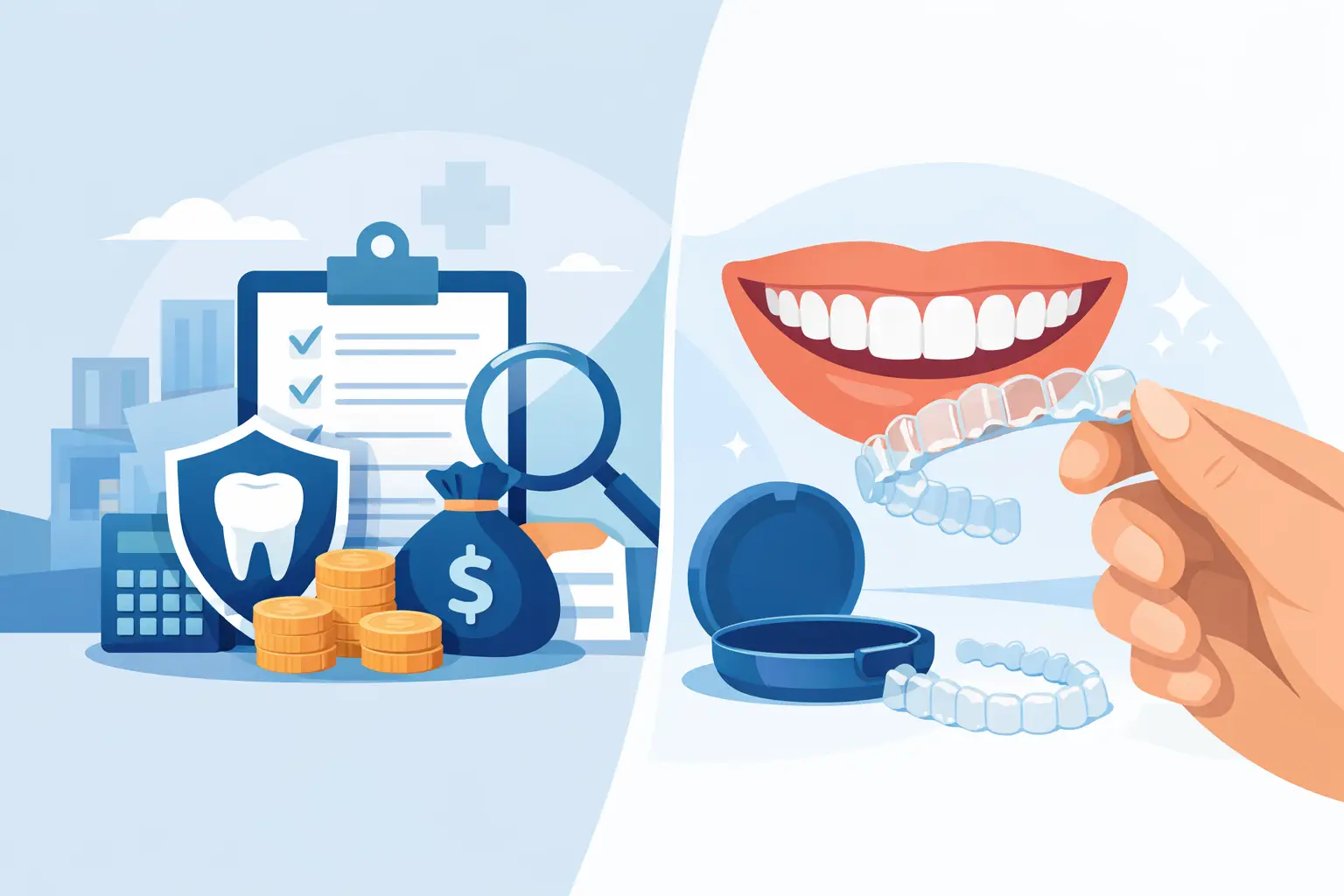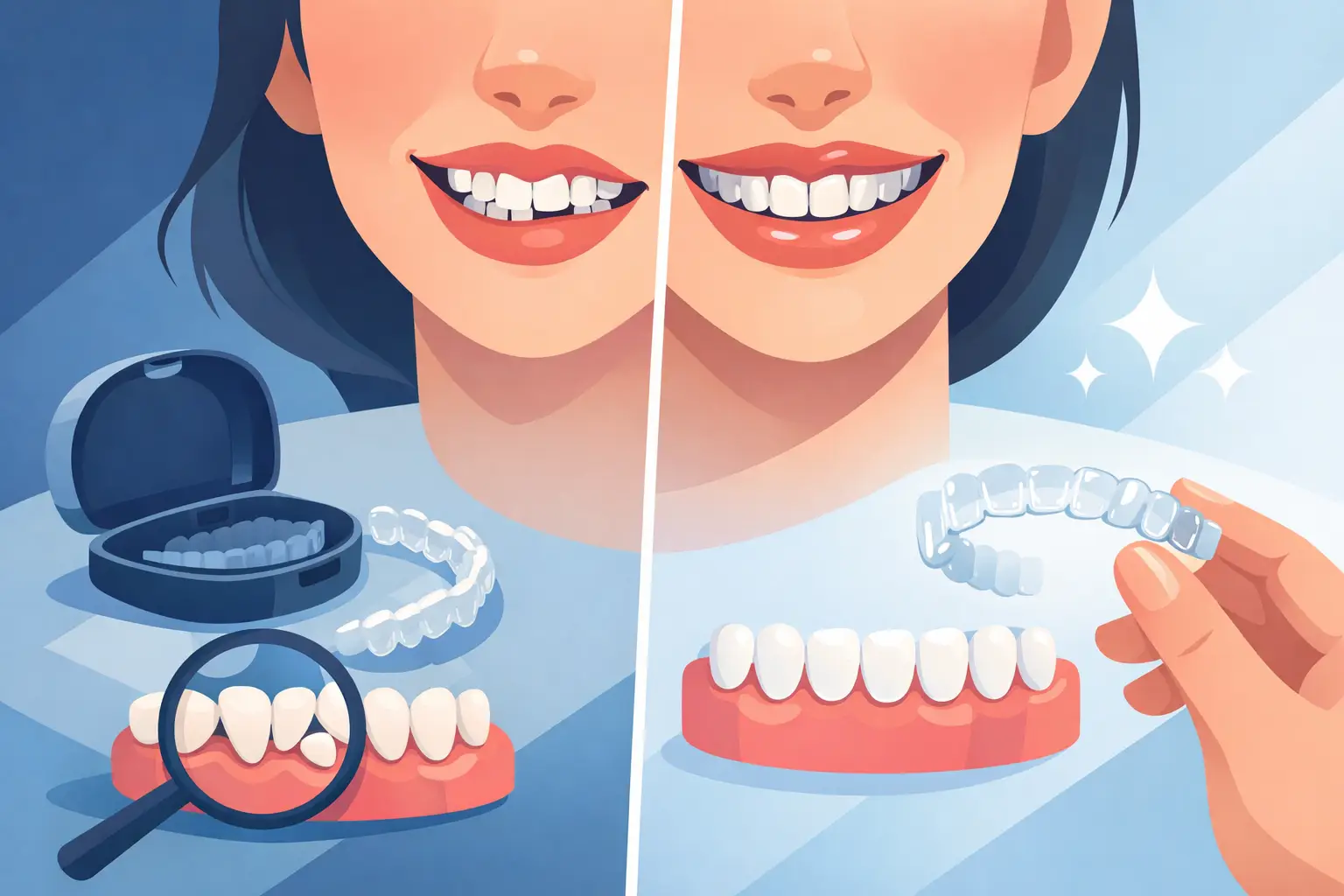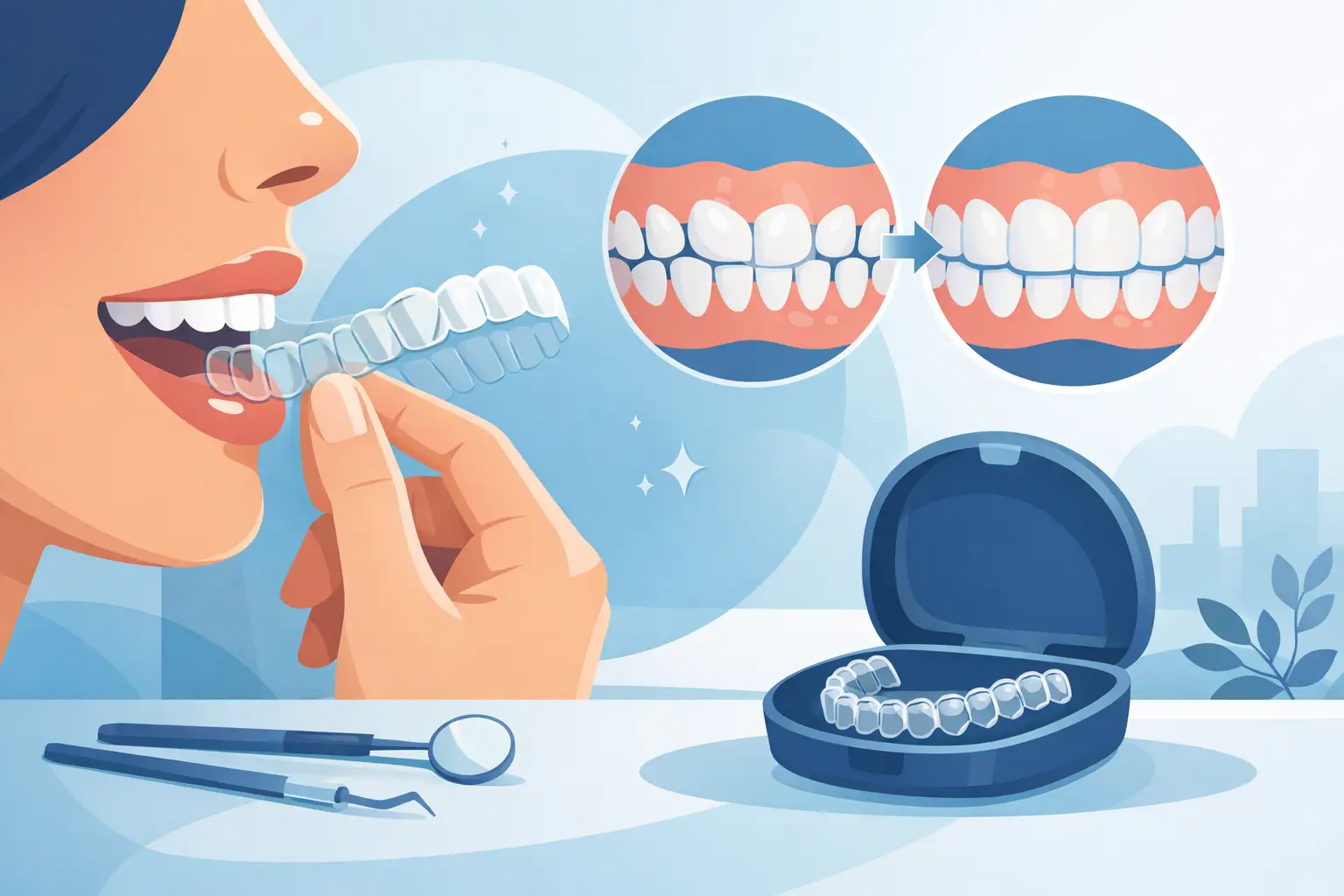

A lot of patients ask about Invisalign treatment price before they ask anything else – and that makes sense. If you are thinking about straightening your teeth, you want to know whether it fits your budget, what is included, and whether the cost will feel manageable over time.
The honest answer is that Invisalign does not come with one flat fee for everyone. The price depends on your smile, your treatment goals, and how much tooth movement is needed. A small alignment issue may cost less than a more complex bite correction, and that is why an exam is usually the best place to start.
What affects Invisalign treatment price?
The biggest factor is case complexity. If your teeth need minor movement, treatment may be shorter and require fewer aligners. If you have crowding, spacing, bite issues, or teeth that need more precise repositioning, the process is usually longer and more involved, which can increase the total cost.
Your treatment timeline also matters. Some patients wear aligners for a relatively short period, while others need many months of guided tooth movement. More aligners, more check-ins, and more adjustments can all influence the overall fee.
Another detail patients do not always expect is what is included in the quoted amount. In some offices, the treatment fee may cover digital scans, custom aligners, regular monitoring appointments, and one set of retainers at the end. In other cases, retainers or replacement trays may be billed separately. When comparing prices, this is one of the most important things to clarify.
A realistic price range to expect
For many adults and teens, Invisalign treatment often falls within a few thousand dollars, with more complex cases costing more. While exact fees vary by provider and location, many patients see estimates somewhere in the range of about $3,000 to $8,000.
That range is broad for a reason. A patient who needs only mild cosmetic alignment may sit near the lower end, while someone with more advanced orthodontic needs may be closer to the higher end. If your case is more involved, your dentist may also discuss whether Invisalign is the right fit or whether another orthodontic approach would be more effective.
Price should always be considered alongside value. A lower quote is not automatically the better deal if it leaves out retainers, follow-up visits, or key parts of treatment. On the other hand, a higher quote is not always necessary either. What matters is understanding exactly what you are paying for.
What is usually included in the cost?
Most Invisalign treatment plans include the initial consultation or orthodontic assessment, digital impressions or scans, the series of custom clear aligners, and periodic visits to track progress. Many plans also include attachments, which are small tooth-colored shapes placed on certain teeth to help the aligners guide movement more effectively.
Retainers are another important part of the conversation. After teeth are straightened, they need support to stay in their new position. If retainers are included in the treatment fee, that can make the total price easier to understand from the start. If they are not included, you should factor that into your budget.
Refinements may also affect cost. Sometimes, after the first round of aligners, a patient needs additional trays to fine-tune the result. Some plans include refinements, while others may charge extra depending on the situation. Asking about this early can help you avoid surprises later.
Why two Invisalign quotes can be very different
Patients sometimes compare two offices and wonder why the numbers are not even close. That difference may reflect more than just the aligners themselves. One office may include longer follow-up, more refinement trays, or retainers. Another may quote a starting fee that looks attractive but does not include everything needed to finish treatment.
Provider experience and the level of case planning can also play a role. Invisalign is not only about wearing trays. It depends on careful diagnosis, monitoring, and adjustment throughout treatment. If your bite needs attention and not just cosmetic straightening, that clinical planning matters.
This is especially true for patients who have had previous dental work such as crowns, bridges, or implants. These situations do not always rule out Invisalign, but they can affect how treatment is designed and priced.
Does dental insurance help with Invisalign treatment price?
In many cases, yes. Some dental insurance plans include orthodontic benefits that can apply to Invisalign just as they would to braces. Coverage varies widely, so the amount paid by insurance may depend on your age, your plan details, and whether orthodontic treatment is considered eligible.
Some plans pay a fixed lifetime orthodontic amount, while others cover a percentage up to a set maximum. Even when insurance does not cover the full treatment fee, it may reduce your out-of-pocket cost enough to make treatment much more comfortable financially.
This is where it helps to work with a dental office that accepts a wide range of insurance plans and can help you understand your benefits before treatment begins. Clear estimates and insurance guidance can remove a lot of uncertainty.
Payment plans can make treatment more manageable
For many people, the question is not only total price. It is monthly affordability. Even if Invisalign fits your goals, paying the entire amount at once may not be realistic. That is why payment arrangements matter.
Many dental offices offer structured payment options that spread the cost over time. This can make a larger treatment fee feel much more approachable, especially for families balancing multiple healthcare expenses. If you are comparing providers, ask not only about the total cost but also about down payment expectations, monthly payment options, and whether financing is available.
A good financial discussion should feel clear and respectful, not pressured. You should leave knowing the full picture, including what happens if treatment takes longer than expected or if replacement aligners are needed.
Is Invisalign worth the price?
That depends on your priorities. For many patients, the value comes from comfort, appearance, and convenience. Invisalign aligners are removable, which means you can take them out for meals and oral hygiene. That makes daily life easier for a lot of adults and teens compared with fixed braces.
There are trade-offs, though. Invisalign works best when patients wear the aligners consistently, usually for most of the day and night. If trays are not worn as directed, treatment can slow down or become less effective. For patients who want something less visible but also know they may struggle with consistency, this is worth discussing honestly with the dental team.
The right question is often not simply, “What does it cost?” but “What am I getting for that cost, and is it the right treatment for my needs?” A thorough consultation can answer both.
How to compare Invisalign treatment price the smart way
When you are reviewing options, ask for a complete breakdown. You want to know whether the quote includes scans, aligners, checkups, refinements, and retainers. You should also ask how complex your case is and whether your treatment goals are cosmetic, functional, or both.
It is also helpful to ask how often you will be seen during treatment and what kind of support is available if something does not fit correctly or if you lose a tray. These practical details affect the real value of care.
At a family-focused practice like Clinique Dentaire Cartier, many patients also appreciate being able to manage general dental care and orthodontic treatment in one place. That kind of convenience can make a real difference when you are fitting appointments into work, school, and family schedules.
Invisalign treatment price and your next step
The best way to understand your Invisalign treatment price is to have your teeth evaluated in person. A personalized exam can show whether you are a good candidate, how long treatment may take, and what the full cost is likely to include.
If you have been putting off asking because you expect the answer to be out of reach, it is still worth getting clear information. Between insurance benefits, flexible payment options, and different treatment levels, the numbers are often more manageable than patients expect. A straightforward consultation can give you real answers – and a practical path forward if clear aligners are the right fit for your smile.
Nos dentistes peuvent évaluer votre situation. Appelez la clinique la plus proche ou demandez un rendez-vous en ligne.Our dentists can assess your situation. Call the nearest clinic or request an appointment online.