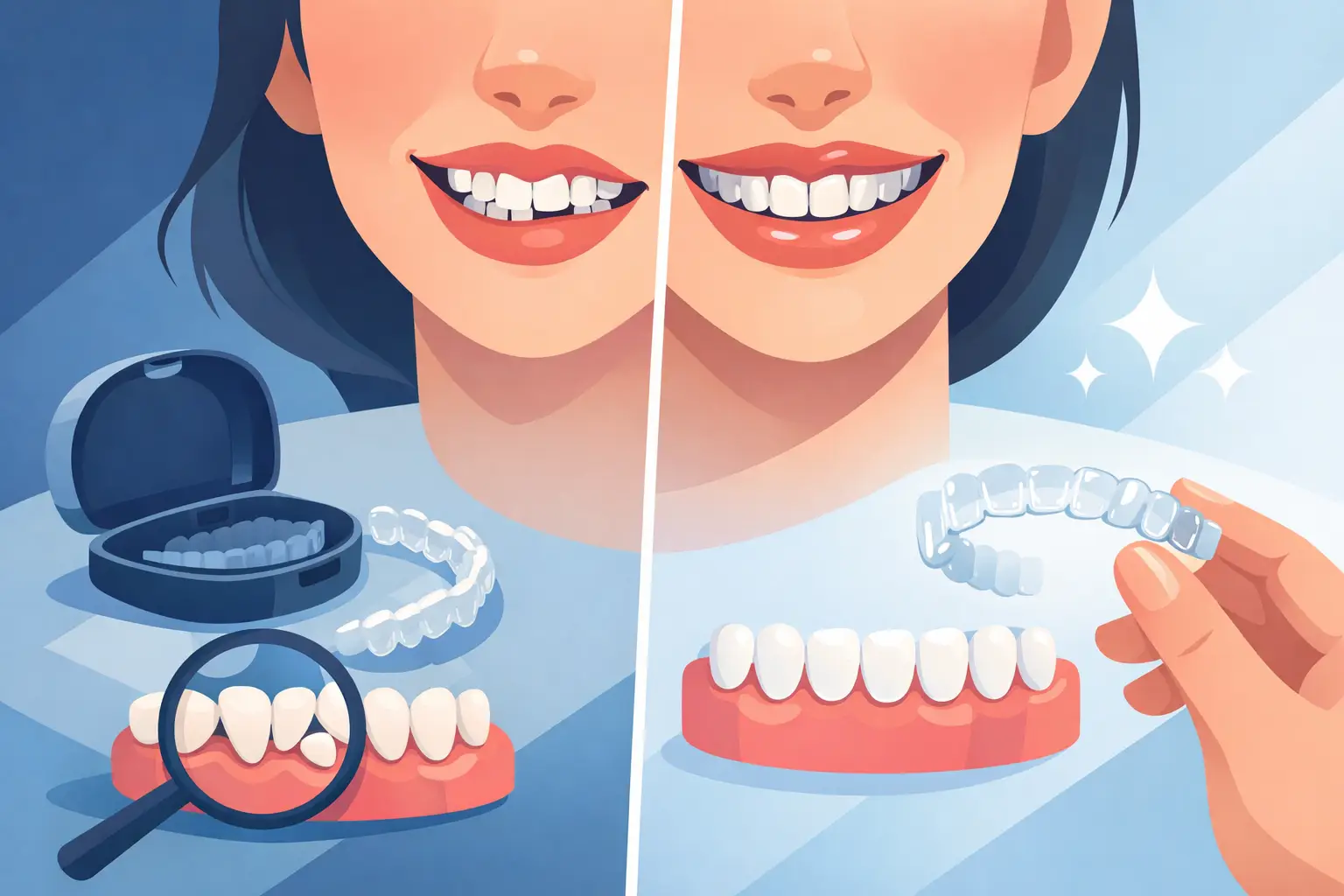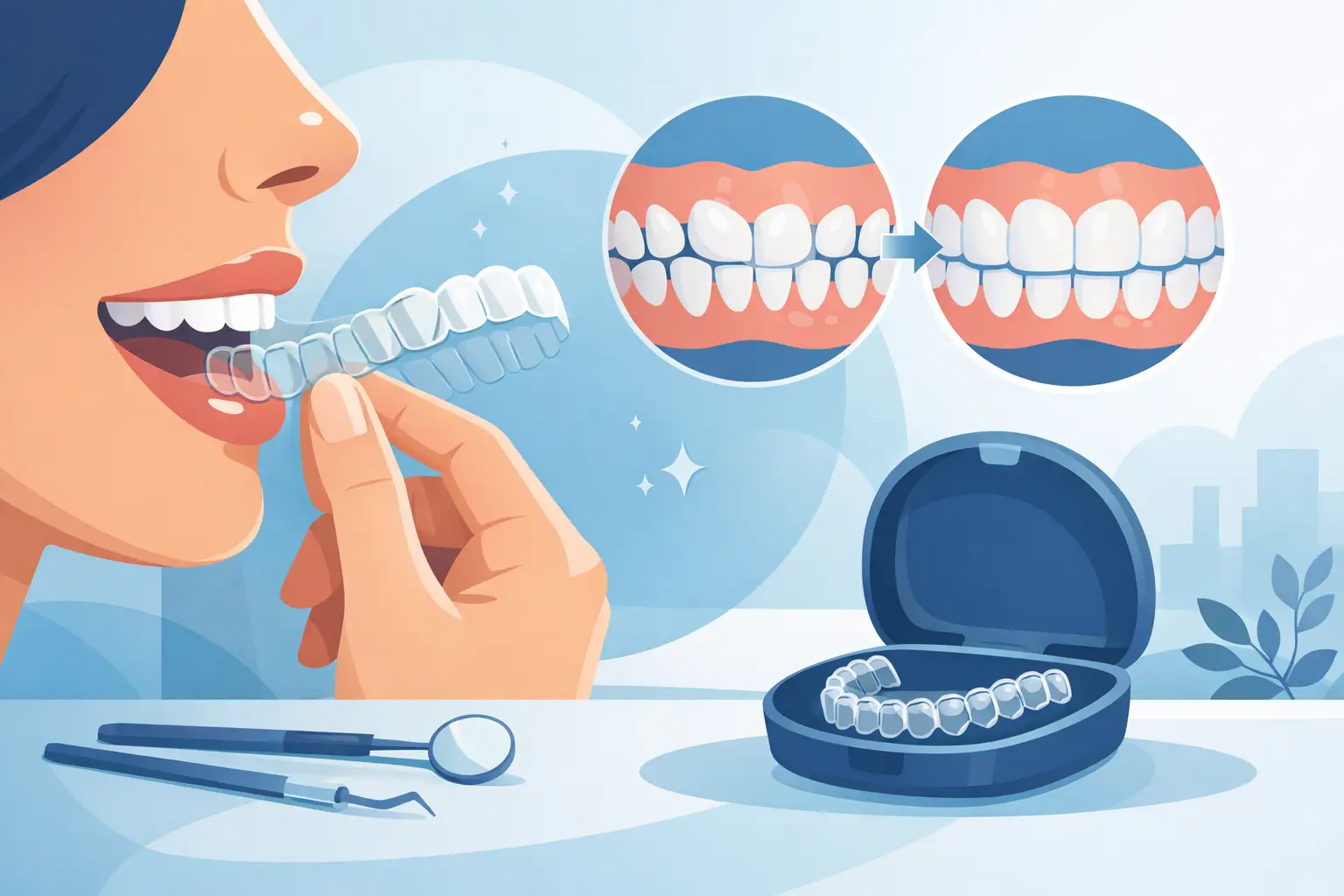
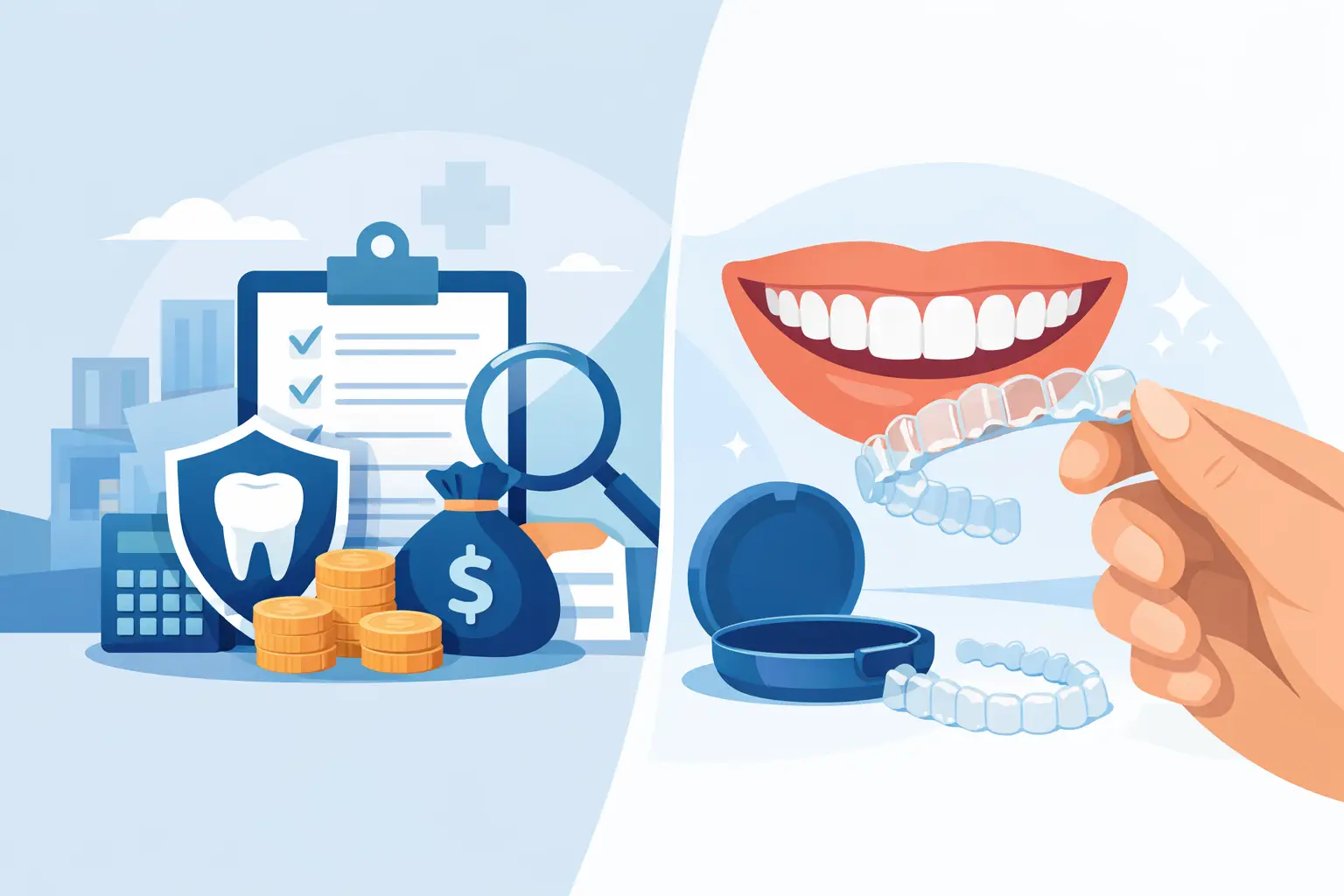
A lot of patients ask the same question right after learning they may be a good candidate for clear aligners: does insurance cover Invisalign? The honest answer is often yes, sometimes no, and very often only partially. Coverage depends on your specific dental plan, your age, the orthodontic benefits included in your policy, whether you have dental insurance that covers Invisalign,and how your insurer classifies Invisalign compared with traditional braces.
If you are trying to improve your smile without being surprised by the cost, it helps to know how dental insurance usually handles orthodontic treatment before you commit to care.
Does insurance cover Invisalign the same way it covers braces?
Sometimes it does, but not always.
Many dental plans that cover Invisalign include orthodontic benefits and may apply that coverage to Invisalign just as they would to metal braces. In those cases, the insurer is not focused on the appliance itself. Instead, it looks at whether the treatment is considered orthodontic care under your plan. If Invisalign falls under that category, a portion of the cost may be covered up to the plan’s lifetime orthodontic maximum.
That said, some policies are more restrictive. They may only cover traditional braces, or they may cover clear aligners only for certain cases. Others exclude orthodontics entirely, especially on lower-cost dental plans. This is why two people with different insurance providers can receive very different answers for the same treatment.
The key point is simple: Invisalign is often eligible for coverage, but it is rarely covered at 100%.
Which dental insurance plans may cover Invisalign?
Dental plans that include orthodontic benefits may provide partial Invisalign coverage, but eligibility varies by insurer and policy. Check whether your plan covers clear aligners, adult orthodontics, and any lifetime orthodontic maximum before starting treatment.
What usually determines Invisalign insurance coverage?
The biggest factor is whether your dental plan includes orthodontic benefits at all. Many standard dental plans cover preventive care and basic restorative services but do not automatically include orthodontics. If your plan does include orthodontic treatment, there are still several details that affect how much help you receive.
Age matters on many plans. Some insurers offer orthodontic benefits only for dependents under age 18 or 19. Adults may still qualify under certain employer-sponsored plans, but adult orthodontic coverage is less common. If you are an adult considering Invisalign, this is one of the first things to verify.
Your lifetime maximum also matters. Unlike regular dental benefits that may renew every year, orthodontic benefits often come with a one-time lifetime cap. For example, your insurer may pay 50% of the treatment cost up to a set amount. Once that maximum is reached, any remaining balance becomes your responsibility.
The reason for treatment can also affect coverage. Some insurance companies are more likely to contribute when orthodontic treatment addresses bite issues, crowding, or other functional concerns. If a plan sees treatment as primarily cosmetic, coverage may be more limited.
What does insurance usually pay for Invisalign?
There is no single amount that applies to every patient, but many plans that cover orthodontics pay a percentage of the approved treatment cost, often around 25% to 50%, until the lifetime maximum is reached.
For example, if your plan covers half of orthodontic treatment up to a fixed maximum, that benefit may reduce your out-of-pocket expense significantly, but it still may not cover the full cost of Invisalign. In some cases, the insurance contribution is spread out over the course of treatment instead of being paid all at once.
That detail matters. If you stop treatment early or if your insurance changes during care, the amount paid may be different from what you expected. A treatment coordinator can usually help explain how those payments are structured before you begin.
When insurance does not cover Invisalign
There are a few common situations where coverage is denied or reduced.
The first is when your plan excludes orthodontics completely. This is common on basic dental policies that focus on exams, cleanings, fillings, and emergency care. In that case, Invisalign would be an out-of-pocket treatment.
The second is when orthodontic benefits are limited to children or teens. Adults with the same plan may not be covered, even if the orthodontic issue is significant.
The third is when the plan has waiting periods. Some insurers require you to be enrolled for a certain amount of time before orthodontic benefits become available. If you start treatment too soon, the claim may not be approved.
The fourth is when your lifetime orthodontic maximum has already been used, especially if you had braces earlier in life under the same plan.
How to check if insurance covers Invisalign before you start
The safest approach is to verify your benefits before beginning treatment. Guessing based on a general benefits booklet can lead to frustration later.
Start by reviewing your dental insurance summary and looking specifically for orthodontic coverage. You want to confirm whether clear aligners are included, whether adult treatment is covered, what percentage the insurer pays, and whether there is a lifetime maximum or waiting period.
Then ask your dental office to perform a benefits verification. This step can save time and reduce confusion. A team that works with insurance regularly can often contact the provider, review your plan details, and give you a clearer estimate of what may be covered.
It is also wise to ask whether pre-authorization is recommended. Some insurers want documentation before treatment begins. While pre-authorization is not always required, it can help identify issues early.
Why treatment estimates can still change
Even after benefits are checked, final coverage is never truly guaranteed until the insurance claim is processed. That can be frustrating, but it is standard across dental care.
Insurance companies may change how they classify treatment, request additional records, or apply contract-specific limitations that are not obvious at first glance. Your final out-of-pocket amount may also shift if your plan renews, your employment changes, or your insurer updates your benefits during treatment.
This is why it helps to work with a dental office that explains costs clearly and reviews financing options along with insurance. Good planning makes treatment feel much more manageable.
If insurance only covers part of Invisalign
Partial coverage is actually the most common situation.
If your plan pays only a portion, you may still have several ways to make Invisalign affordable. Many patients combine insurance with monthly payment arrangements, health savings funds, or flexible spending accounts if those are available through work. These options can reduce the immediate financial pressure even when insurance does not cover the full balance.
You should also ask whether there are differences in cost based on the complexity of your case. Mild alignment issues may require a shorter treatment plan than more advanced bite correction, and that can affect the total fee.
At Clinique Dentaire Cartier, helping patients understand insurance and payment options is part of making care more accessible. When people know what to expect, they can make decisions with more confidence and less stress.
Is Invisalign worth it if insurance does not cover it?
For many patients, yes – but it depends on your priorities, your oral health needs, and your budget.
Invisalign can be appealing because the aligners are removable, discreet, and often easier to fit into daily life than traditional braces. Adults and older teens often choose it because they want orthodontic treatment that feels less noticeable at work, school, or in social settings.
Still, convenience has to be balanced with cost and commitment. Invisalign only works as planned if you wear the aligners as directed. If you know compliance may be difficult, or if your case is better suited to another orthodontic option, a different treatment may make more sense clinically and financially.
That is why the best question is not only does insurance cover Invisalign, but also whether Invisalign is the right treatment for your smile goals and oral health.
Questions to ask before moving forward
Before you start treatment, ask your dental office whether your plan includes orthodontic coverage, whether adult Invisalign is eligible, what your estimated out-of-pocket cost will be, and how payments are scheduled. You should also ask what happens if your insurance changes during treatment and whether retainers are included in the quoted fee.
These questions are practical, and they matter. A clear financial conversation at the beginning can prevent delays and help you move forward with peace of mind.
If you have been thinking about straightening your teeth, do not let uncertainty about insurance keep you stuck. A quick benefits check and consultation can often give you a much clearer picture than hours of trying to decode your policy on your own. The right next step is simply getting real answers for your specific plan and your specific smile.
Nos dentistes peuvent évaluer votre situation. Appelez la clinique la plus proche ou demandez un rendez-vous en ligne.Our dentists can assess your situation. Call the nearest clinic or request an appointment online.