A smile can affect more than appearance. Many people who ask what is aesthetic dentistry are really asking something more personal: can I feel better about my teeth without compromising comfort, function, or long-term oral health? In most cases, the answer is yes – but the right treatment depends on what you want to change and what your teeth need first.
What Is Aesthetic Dentistry?
Aesthetic dentistry focuses on improving the appearance of your teeth, gums, and overall smile. That can include the color, shape, size, spacing, symmetry, and alignment of teeth. It is often grouped with cosmetic dentistry, and the two terms are frequently used the same way in everyday conversation.
Still, there is a useful distinction. Aesthetic dentistry is not only about making teeth look better in photos. It also considers balance, facial harmony, bite, and how dental work fits with the rest of your oral health. A natural-looking result matters just as much as a brighter or straighter smile.
For some patients, the goal is small and simple, such as whitening stained teeth. For others, aesthetic dentistry may involve several treatments to correct worn edges, replace missing teeth, close gaps, or reshape an uneven smile. The treatment plan can be modest or more involved, depending on your needs.
What Aesthetic Dentistry Can Improve
Aesthetic concerns are common, and they are not always purely cosmetic. A chipped front tooth may make you self-conscious, but it can also affect how teeth meet. Worn enamel may make teeth look shorter while also increasing sensitivity. Crooked teeth may change your smile and make cleaning harder.
Aesthetic dentistry can address issues such as discoloration, stains, chips, cracks, uneven tooth shape, small gaps, mild crowding, worn teeth, and older dental work that no longer blends well. In some cases, treatment can also improve the appearance of the gumline if teeth look too short or uneven.
This is why a proper exam matters. What seems like a simple cosmetic concern may involve decay, grinding, bite problems, or gum disease that should be treated first.
Common Treatments in Aesthetic Dentistry
The best-known treatments are teeth whitening, veneers, bonding, clear aligners, crowns, and dental implants. Each one serves a different purpose, and not every option is right for every smile.
Teeth Whitening
Professional whitening is often the quickest way to improve the appearance of teeth. It can lighten stains caused by coffee, tea, tobacco, or natural aging. Whitening works best on natural tooth enamel, but it does not change the color of crowns, veneers, or fillings. That detail matters if you already have visible dental restorations.
Dental Bonding and Veneers
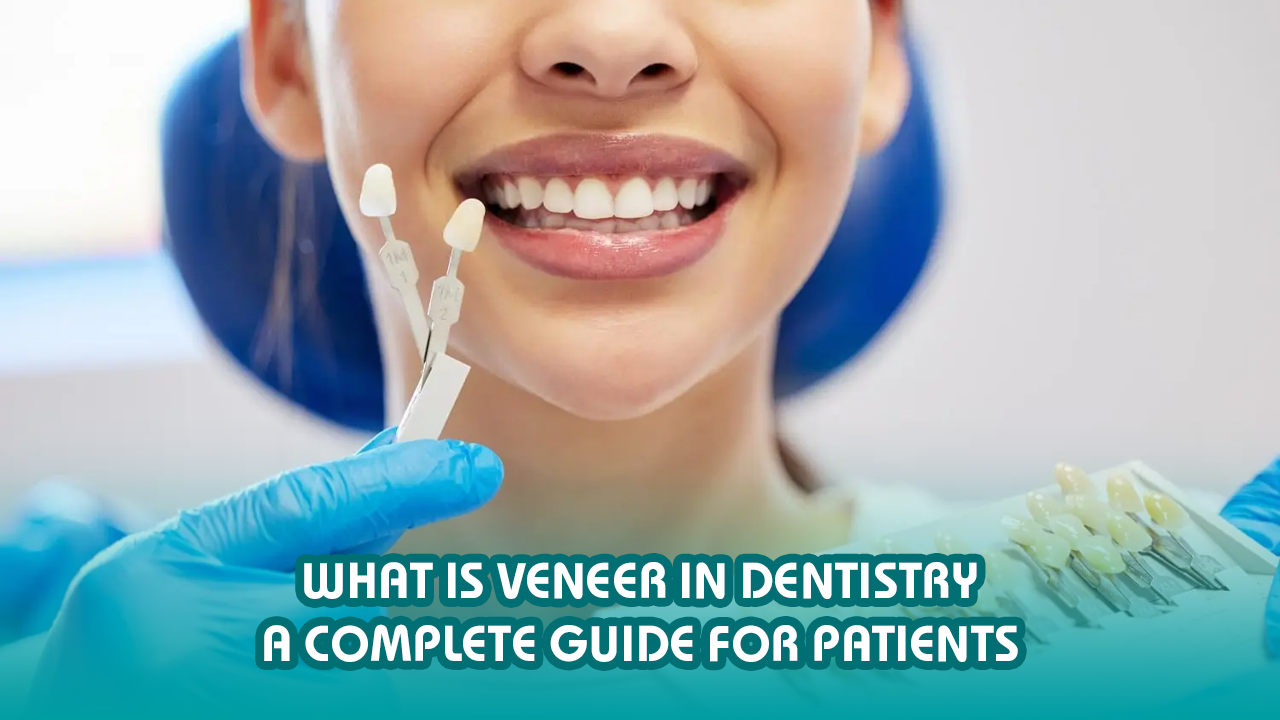
Bonding uses tooth-colored resin to repair small chips, reshape teeth, or close minor gaps. It is a conservative option and can often be completed quickly. Veneers are thin shells placed on the front of teeth to improve color, shape, and uniformity. They can create a dramatic change, but they are a more planned treatment and may not be the best choice if your teeth are weakened or if you grind heavily.
Crowns and Tooth Replacement
Crowns are sometimes part of aesthetic dentistry when a tooth needs both strength and a better appearance. They can restore badly damaged or heavily filled teeth while improving shape and color. If a tooth is missing, an implant or bridge may improve the appearance of your smile and help restore chewing function at the same time.
Invisalign and Other Orthodontic Options
Clear aligners can straighten teeth in a discreet way. For adults and teens who want a less noticeable option than braces, this can be a practical path to an improved smile. Orthodontic treatment can also create better spacing before other aesthetic work is done, which sometimes leads to a more natural and conservative result.
What Is Aesthetic Dentistry Trying to Achieve?
Good aesthetic dentistry does not aim for a copied, one-size-fits-all smile. It aims for teeth that suit your face, age, features, and preferences. Some patients want a very bright, polished look. Others want subtle improvements that do not look obvious. Both approaches can be appropriate.
The goal is usually a smile that looks healthy, balanced, and natural. That includes paying attention to tooth proportion, gum visibility, bite alignment, and how restorations blend with nearby teeth. A result can be technically excellent but still feel wrong if it does not match the patient.
That is why communication matters. Your dentist should understand whether you want a noticeable change or a softer refinement. Even details like tooth shade and contour can make a big difference in how the final result feels.
When Aesthetic Dentistry Is Also Functional
One of the biggest misconceptions is that aesthetic treatment is separate from oral health. In reality, appearance and function often overlap.
Straightening crowded teeth can make them easier to clean. Replacing a missing tooth can support chewing and help prevent shifting. Restoring worn teeth can improve both appearance and bite stability. Replacing old restorations may reduce weak points while making the smile more even.
That said, not every cosmetic request is automatically a good idea. Sometimes the most attractive long-term result comes from a more conservative plan. If enamel is thin, gums are inflamed, or the bite is unstable, it may be better to address those issues before choosing aesthetic treatment.
Is Aesthetic Dentistry Right for Everyone?
Many patients are candidates for aesthetic dentistry, but timing matters. If you have cavities, gum disease, pain, or a dental emergency, those concerns usually come first. A healthy foundation gives you more treatment options and a more predictable outcome.
It also helps to be clear about expectations. Whitening can brighten teeth, but it cannot move them into better alignment. Veneers can improve shape and color, but they are not the answer for every bite problem. Clear aligners can straighten teeth, but the process takes time and requires consistency.
A good consultation should cover what is possible, what is not, and what kind of maintenance may be needed. Some treatments last many years but still require care, replacement, or touch-ups over time.
How a Dentist Decides on the Right Option
Aesthetic dentistry should start with a full evaluation, not a quick guess. Your dentist will usually look at the health of your teeth and gums, existing restorations, your bite, tooth wear, and any signs of clenching or grinding. They will also ask what bothers you most and what kind of change you hope to see.
That matters because two patients with similar smiles may need very different treatment plans. One person may do well with whitening and bonding. Another may need orthodontic treatment before any reshaping is done. A patient with missing teeth may need a restorative solution that improves both appearance and daily function.
The best plan is the one that fits your goals, oral health, budget, and comfort level. In a family-focused setting like Clinique Dentaire Cartier, that conversation should feel practical and supportive, not pressured.
Cost, Maintenance, and Trade-Offs
Patients often want to know whether aesthetic dentistry is worth it. The honest answer is that it depends on the treatment, the condition of your teeth, and what you value most.
Whitening is generally more affordable than veneers or implants, but it may need periodic maintenance. Bonding can look excellent for smaller corrections, though it may stain or chip over time more easily than porcelain. Veneers can deliver a major cosmetic upgrade, but they require careful planning and are a bigger commitment. Orthodontic treatment can take longer, yet it may improve both appearance and oral health in a way that supports lasting results.
There is rarely a single perfect option. There is usually a best-fit option based on your priorities.
Choosing Care That Feels Comfortable
If you have been avoiding treatment because you feel embarrassed about your smile or nervous about dental visits, you are not alone. Many patients delay aesthetic care because they assume it will be expensive, painful, or overly complicated.
A reassuring dental team can make a real difference. Clear explanations, a step-by-step treatment plan, and attention to comfort help patients move forward with more confidence. For some, the first step is simply learning what is possible and what can wait.
Aesthetic dentistry is not about chasing perfection. It is about making thoughtful improvements that help you feel more comfortable when you speak, smile, and take care of your teeth. If something about your smile has been bothering you, a conversation with a dentist can turn uncertainty into a clear, manageable plan.
Nos dentistes peuvent évaluer votre situation. Appelez la clinique la plus proche ou demandez un rendez-vous en ligne.Our dentists can assess your situation. Call the nearest clinic or request an appointment online.